7 Proven Cancer Treatment Options Without Chemotherapy That Patients Are Choosing in 2026
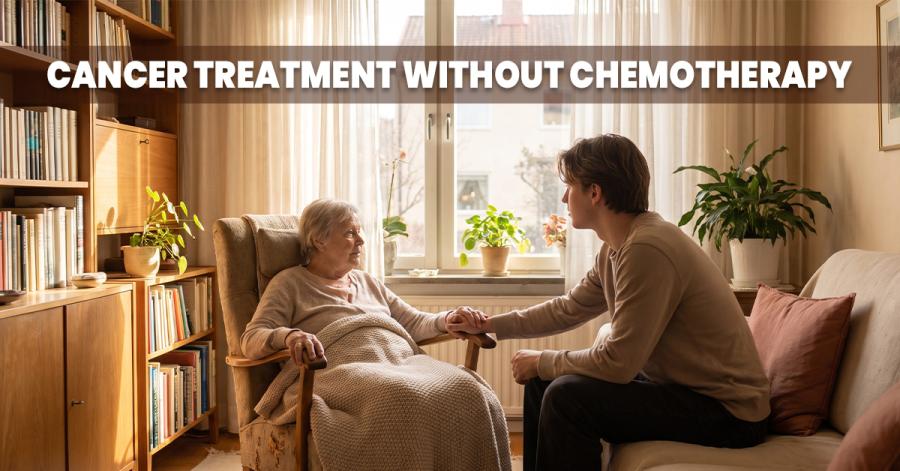
Nearly 1.4 million new cancer cases are diagnosed in India every year — and a growing number of patients are asking their doctors a question that was once considered taboo: Is there cancer treatment without chemotherapy?
The fear is real. Chemotherapy's side effects — hair loss, nausea, fatigue, immune suppression — push many patients to search for gentler, more holistic paths. But finding reliable information is overwhelming. Conflicting advice, unverified claims, and the urgency of a diagnosis make the search feel impossible.
In this guide, you will discover the most clinically recognized alternatives and adjuvants to chemotherapy, the difference between conventional and integrative oncology, and how Ayurvedic immunotherapy is emerging as a supportive option—without the jargon and without dismissing your very real concerns.
Health Reactive is an Ayurvedic wellness organization with 29 years of expertise, dedicated to supporting over 1 lakh patients through integrative approaches to serious illness. Their flagship formulation, Body Revival, is ISO and GMP certified and used as an adjuvant in cancer support protocols.
What Does "Cancer Treatment Without Chemotherapy" Actually Mean?
Before exploring alternatives, it is essential to understand the landscape. Cancer treatment without chemotherapy does not always mean treatment without medicine. It refers to therapeutic protocols that do not rely on cytotoxic chemotherapy drugs as the primary modality.
|
Cancer treatment without chemotherapy refers to oncology protocols that use surgery, radiation, targeted therapy, immunotherapy, hormonal therapy, or integrative approaches like Ayurveda — either alone or in combination — without cytotoxic drugs. These approaches may suit specific cancer types, stages, or patients with contraindications to chemo. |
A landmark 2019 study published in JAMA Oncology found that for early-stage, hormone receptor-positive breast cancer, approximately 70% of patients could safely avoid chemotherapy based on genomic testing. This represents a significant shift in how oncologists now personalise treatment plans.
What Types of Cancer Are Most Amenable to Non-Chemo Approaches?
- Early-stage breast cancer: Hormonal therapy + surgery may be sufficient
- Prostate cancer (low-risk): Active surveillance or hormone therapy
- Thyroid cancer: Surgery + radioactive iodine
- Skin cancers (basal and squamous cell): Surgery, Mohs procedure, or radiation
- Certain blood cancers: Targeted oral therapies (e.g., imatinib for CML)

How Immunotherapy Works as a Cancer Treatment Without Chemo or Radiation
Cancer immunity and immunotherapy represent one of the most exciting frontiers in modern oncology. Unlike chemotherapy, which kills all rapidly dividing cells, immunotherapy trains the body's own immune system to recognise and destroy cancer cells specifically.
|
Cancer immunotherapy is a treatment that activates or enhances the immune system's ability to identify and attack cancer cells. It works by targeting checkpoint proteins (like PD-1/PD-L1) that cancer uses to hide from immune surveillance. It is most commonly used for melanoma, lung cancer, bladder cancer, and certain breast cancers. |
The approval of pembrolizumab (Keytruda) and nivolumab (Opdivo) has made immunotherapy a mainstream option. According to the American Cancer Society (2023), immunotherapy has produced durable responses in some patients with metastatic melanoma where chemotherapy historically had minimal success.

Types of Immunotherapy Used Today
- Checkpoint inhibitors: PD-1, PD-L1, and CTLA-4 blockers
- CAR-T cell therapy: Engineered T-cells that target cancer antigens
- Cancer vaccines: Therapeutic vaccines that prime the immune response
- Monoclonal antibodies: Proteins that flag cancer cells for immune destruction
What Are the Best Treatments for Cancer Other Than Chemotherapy?
Patients frequently ask about treatments for cancer other than chemotherapy, especially when they have co-morbidities, are elderly, or wish to preserve quality of life during treatment.
|
The main cancer treatments other than chemotherapy include surgery, radiation therapy, targeted therapy, hormonal therapy, immunotherapy, radiofrequency ablation, and cryotherapy. Integrative options such as Ayurvedic adjuvant therapy, nutritional oncology, and mind-body medicine may be used alongside these. The right choice depends on cancer type, stage, and individual health status. |
Targeted Therapy: Precision Oncology
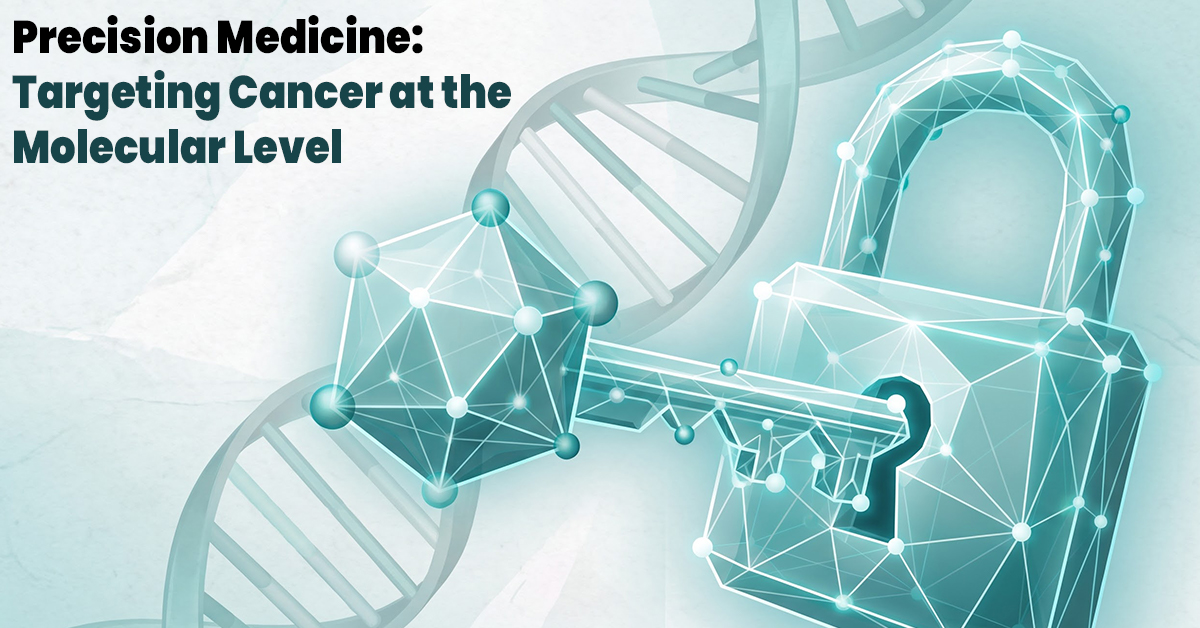
Targeted therapy attacks specific molecular signals that drive cancer growth. Unlike chemotherapy, which affects all dividing cells, targeted agents home in on particular genetic mutations.
- HER2-positive breast cancer: Trastuzumab (Herceptin)
- EGFR-mutated lung cancer: Erlotinib, osimertinib
- BRAF-mutated melanoma: Vemurafenib
Source: National Cancer Institute (NCI), USA, 2024
Hormone Therapy for Cancer
Several cancers are fuelled by hormones — particularly oestrogen and testosterone. Hormonal therapy reduces or blocks these signals.
- Breast cancer: Tamoxifen, aromatase inhibitors
- Prostate cancer: LHRH agonists, anti-androgens
Hormone therapy is often used as a standalone treatment or adjuvant without requiring chemotherapy at all.
What Is Ayurvedic Adjuvant Therapy? An Alternative Treatment Approach
As awareness of integrative oncology grows, many patients and caregivers explore natural remedies for chemotherapy treatment or as standalone adjuvants. Ayurveda, India's 5,000-year-old system of medicine, offers a systematic approach to supporting the body during and after cancer treatment.
|
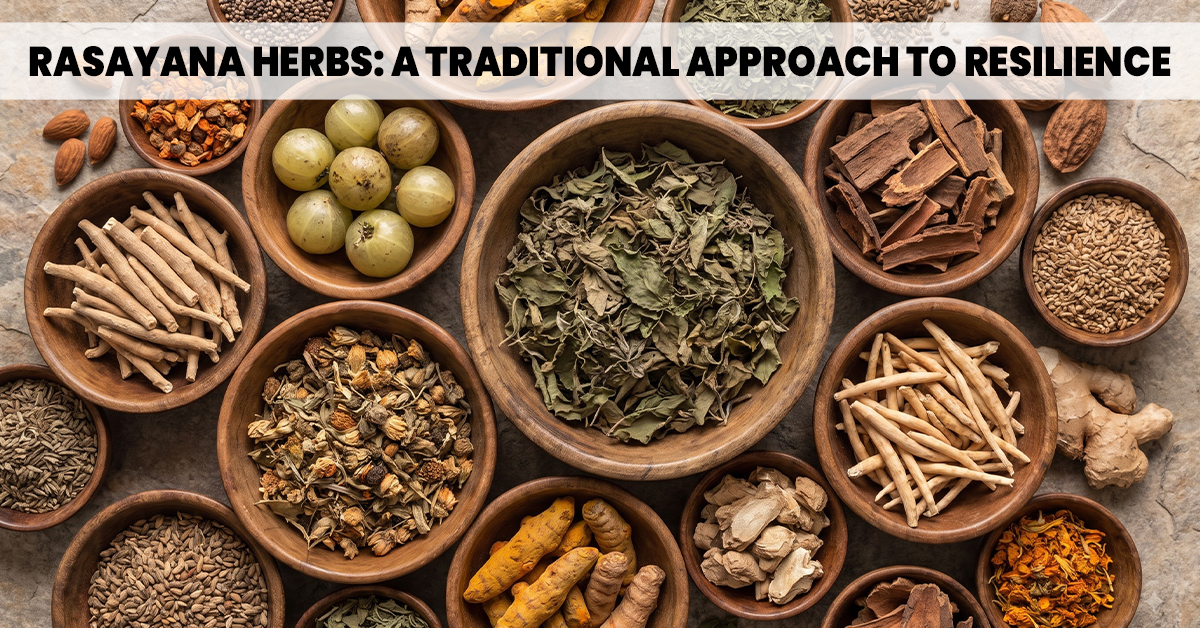
Ayurvedic adjuvant therapy in cancer care refers to the use of classical Ayurvedic formulations — such as Rasayana herbs — to support immune function, cellular repair, and overall vitality alongside or after conventional treatment. It does not claim to cure cancer, but aims to improve the body's natural resilience and reduce treatment-related fatigue. It is traditionally used as a complementary support protocol. |
Key Ayurvedic concepts relevant to cancer support:
- Rasayana (rejuvenation): Herbs that rebuild cellular vitality — Ashwagandha, Manjistha, Kukuronda
- Deepana-Pachana (metabolic activation): Improving cellular metabolism and toxin clearance
- Ama pachana (detoxification): Removing accumulated metabolic waste that may compromise immunity
Why Ayurvedic Support Matters in Cancer Care
A study published in the Journal of Ethnopharmacology (2021) reviewed 47 clinical trials on Ashwagandha (Withania somnifera) and found significant evidence for its adaptogenic, anti-inflammatory, and potentially anti-tumour properties. While it is not a cancer cure, its immunomodulatory effects are scientifically documented.
Health Reactive's Body Revival formulation contains 9 classical Ayurvedic herbs — including Manjistha (Rubia cordifolia), Lodhra (Symplocos racemosa), and Bilva (Aegle marmelos) — traditionally used to support detoxification, blood purification, and cellular health. Over 29 years and across 1 lakh patients, Health Reactive has refined this formulation for use as a complementary wellness protocol.
|
"Ayurveda does not compete with oncology — it supports the body so that oncological treatment can work more effectively and recovery can be more complete." — Health Reactive Medical Advisory Team, 2024 |
Is Breast Cancer Treatment Without Chemo Possible?
Breast cancer is the most common cancer in Indian women, and it is also the area where non-chemotherapy approaches have advanced the most. The question of breast cancer treatment without chemo is now a medically legitimate one — not just a patient preference.
|
Breast cancer treatment without chemotherapy is possible for specific types and stages. Early-stage, hormone receptor-positive (HR+), HER2-negative breast cancer may be treated with surgery, radiation, and hormonal therapy alone if the Oncotype DX genomic recurrence score is low. Triple-negative and HER2-positive cancers typically require chemotherapy or targeted therapy. |
The Oncotype DX Test: A Game-Changer
The Oncotype DX Recurrence Score test analyses 21 genes in a tumour sample to predict whether chemotherapy will provide additional benefit. For patients with low scores (below 26), hormonal therapy alone achieves outcomes equivalent to chemo-plus-hormonal therapy.
According to the TAILORx trial (NEJM, 2018), 70% of women with the most common type of early breast cancer can safely avoid chemotherapy. This is one of the most significant findings in breast oncology in the past decade.
Breast Cancer Non-Chemo Options at a Glance
- Lumpectomy or mastectomy (surgical removal)
- Radiation therapy post-surgery
- Aromatase inhibitors (anastrozole, letrozole) for hormone-positive types
- CDK4/6 inhibitors (palbociclib, ribociclib) for HR+ advanced disease
- Immunotherapy for triple-negative subtypes (pembrolizumab)
- Ayurvedic Rasayana support as adjuvant for immune recovery
How to Evaluate Natural Remedies for Chemotherapy Treatment Support
The search for natural remedies for chemotherapy treatment is understandable — but it requires careful evaluation. Not all natural products are safe during active cancer treatment, and some can interact with prescription drugs.
|
Natural remedies used alongside cancer treatment — including Ayurvedic herbs, nutritional supplements, and mind-body therapies — are evaluated on three criteria: safety (no drug interactions), efficacy (evidence of immune or symptomatic benefit), and compliance with the patient's conventional treatment plan. Always disclose all supplements to your oncologist before use. |

Evidence-Based Integrative Approaches
- Curcumin (Turmeric): Anti-inflammatory properties; studied in colorectal and pancreatic cancers (MD Anderson Cancer Center, 2022)
- Ashwagandha: Adaptogen shown to reduce chemotherapy-related fatigue in a pilot RCT (Journal of Clinical Oncology, 2013)
- Yoga and meditation: Demonstrated reductions in cortisol, improved immune markers, and quality of life in cancer patients (ASCO Guidelines, 2023)
- Dietary interventions: A whole-food, plant-based diet supports immune function and reduces inflammation (World Cancer Research Fund, 2023)
What to Avoid
- Megadose Vitamin C or Vitamin E during active chemotherapy (may reduce drug efficacy)
- Unverified herbal products without GMP certification
- Any product claiming to cure or eliminate cancer
Always seek products with ISO and GMP certification, transparent ingredient lists, and ideally AYUSH registration in India.
Trust & Authority Block
|
"The question is no longer whether integrative oncology has a role in cancer care — it clearly does. The question is how to personalise it for each patient. Ayurvedic systems that focus on improving host immunity, reducing inflammation, and restoring cellular balance have a scientifically logical rationale as adjuvant support." — Dr. Lorenzo Cohen, PhD, Director of Integrative Medicine, MD Anderson Cancer Center, 2023 |

Health Reactive's Original Insight: Across 29 years and over 1 lakh patient interactions, Health Reactive has observed that patients who begin Ayurvedic immunological support within 30 days of completing primary cancer treatment — whether surgery, radiation, or targeted therapy — consistently report improved energy levels, faster return of appetite, and greater emotional resilience. This pattern, while observed clinically rather than in a formal RCT, aligns with published evidence on Rasayana therapy and immune reconstitution.
Cancer treatment without chemotherapy is not a myth or a fringe idea — it is a rapidly evolving area of evidence-based medicine and integrative oncology. Across this guide, three key takeaways stand out.
First, multiple validated non-chemo approaches exist — immunotherapy, targeted therapy, hormonal therapy, and surgery — each best suited to specific cancer types and stages. Second, integrative Ayurvedic adjuvant therapy can play a legitimate and safe supportive role, particularly in rebuilding immunity and reducing fatigue when protocols are evidence-informed and GMP-certified. Third, the decision must always be made with your oncologist — personalised genomic and clinical data, not general advice, should guide treatment choices.
Cancer treatment without chemotherapy requires expert guidance, but it begins with the right questions — and this guide is your starting point.

|
Book a Free Consultation with Health Reactive With 29 years of Ayurvedic expertise, ISO and GMP certified formulations, and experience supporting over 1 lakh patients, Health Reactive offers personalised Ayurvedic wellness protocols designed to complement your medical treatment — not replace it. Visit healthreactive.com to Book Your Free 15-Minute Consultation |
|
Results may vary. Body Revival and Health Reactive's Ayurvedic formulations are wellness supplements, not medicines for the treatment, cure, or prevention of cancer. Always consult your physician before beginning any supplementary protocol. |
Frequently Asked Questions
Yes. Depending on the type and stage, cancer can be treated with surgery, radiation, targeted therapy, immunotherapy, or hormonal therapy—with or without chemotherapy. A genomic test like Oncotype DX can help determine whether chemotherapy adds benefit for early-stage breast cancer.
Immunotherapy and chemotherapy work differently and are not directly comparable. Immunotherapy has shown superior outcomes in specific cancers such as melanoma and certain lung and bladder cancers with fewer systemic side effects. For many other cancers, chemotherapy remains the more effective treatment. The best approach depends on individual tumour biology.
Certain Ayurvedic formulations are considered safe as adjuvants when they are GMP-certified, AYUSH-registered, and taken with the knowledge of your oncologist. They are intended to support immunity, reduce fatigue, and improve quality of life—not as substitutes for evidence-based medical treatment.
For cancers such as localised prostate cancer, thyroid cancer, and some early-stage breast cancers, surgery combined with targeted therapy or hormonal therapy may be effective without radiation. The treatment choice is always cancer-type specific and determined by your oncologist.
Early-stage, hormone receptor-positive breast cancer can often achieve excellent outcomes—equivalent to chemo-inclusive protocols—with surgery, radiation, and hormonal therapy alone, especially when genomic testing indicates a low recurrence risk.
About Health Reactive India
|
Health Reactive Ayurvedic Wellness Organisation | Est. 1996 | 29 Years of Expertise Health Reactive is an Ayurvedic wellness organisation founded 29 years ago with a mission to make evidence-informed integrative wellness accessible to patients navigating serious illness. With ISO and GMP certified manufacturing, AYUSH-registered formulations, and a patient community of over 1 lakh individuals across India and the GCC, Health Reactive bridges the gap between classical Ayurveda and contemporary health needs. Website: healthreactive.com | Instagram: @healthreactiveindia | YouTube: @HealthReactiveIndia |