Managing Fatigue During Cancer Treatment: An Ayurvedic Approach to Supportive Wellness

Written by Dr. Hemant Kadam, BAMS
Medically reviewed by Dr. Farah Zariwala, BHMS, Senior Doctor, Health Reactive India, 10 years of experience in Ayurveda and homeopathic medicine
Last updated: October 15, 2026
If you or someone you love is going through chemotherapy or radiation right now, you already know the part nobody really prepares you for — the exhaustion. Not the "I need a coffee" kind of tired, but the bone-deep fatigue that makes even small tasks feel like climbing a hill. Patients often describe it as feeling drained before the day even starts.
This kind of fatigue is one of the most common and most disruptive side effects of cancer treatment, and it's also one of the most overlooked. Doctors are rightly focused on the treatment protocol itself—the chemotherapy cycles, the scans, the blood counts. But day-to-day quality of life, energy levels, appetite, and sleep often get pushed to the side, even though they make a real difference in how a person copes with treatment.
This is where supportive wellness practices, including principles from Ayurveda, can play a meaningful role — not as a replacement for medical treatment, but as something that runs alongside it. Many cancer centres today actively encourage what's called "integrative oncology": combining standard medical care with supportive practices like nutrition counselling, gentle movement, stress management, and in some cases, traditional wellness systems, always under medical supervision.
In this article, we'll walk through what causes treatment-related fatigue, how Ayurvedic dietary and lifestyle principles can support the body during this period, and what questions to bring to your oncology team if you're considering any additional supplements.
A quick but important note before we go further: nothing in this article is meant to replace your cancer treatment or your doctor's advice. If you're undergoing chemotherapy, radiation, or any cancer therapy, please talk to your oncologist before adding any new supplement, herb, or major dietary change — some herbs and foods can interact with chemotherapy drugs.
Fatigue during cancer treatment — often called cancer-related fatigue (CRF) — is a deep, persistent exhaustion that doesn't lift with rest or sleep the way ordinary tiredness does. It's one of the most common side effects of chemotherapy and radiation. Ayurvedic supportive practices, including gentle diet and movement changes, can help ease it — always alongside your oncology team's care, never in place of it.
Why Cancer Treatment Causes Such Deep Fatigue
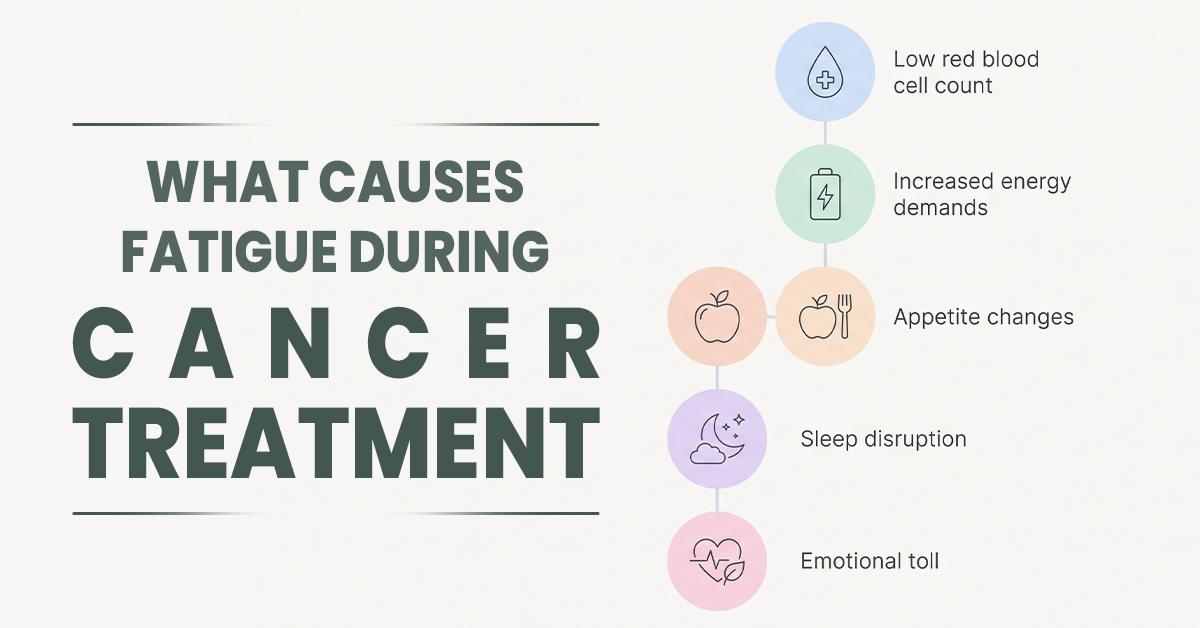
Cancer-related fatigue (often abbreviated as CRF in medical literature) is different from ordinary tiredness. A few of the reasons it happens:
- Chemotherapy affects healthy cells too — including the bone marrow cells that produce red blood cells. Lower red blood cell counts (anaemia) mean less oxygen reaching your tissues, which directly translates to feeling weak and breathless.
- The body is working overtime to repair and process the effects of treatment, which uses up a huge amount of energy.
- Appetite often drops during treatment cycles, sometimes due to nausea or taste changes, which means the body isn't getting the fuel it needs.
- Sleep is frequently disrupted — by anxiety, by medication side effects, or by physical discomfort.
- Emotional load matters too. Living with a cancer diagnosis is mentally and emotionally exhausting, and that emotional fatigue often shows up as physical tiredness.
It helps to know what makes this kind of tiredness different:
| Ordinary tiredness | Cancer-related fatigue |
|---|---|
| Improves with a good night's sleep | Often doesn't lift even after rest |
| Tied to activity or a busy day | Can appear even without exertion |
| Passes within a day or two | May persist for weeks or fluctuate with treatment cycles |
| Mainly physical | Physical, mental, and emotional all at once |
Understanding this helps explain why fatigue doesn't just "go away" with rest the way normal tiredness does — and why a more holistic approach to daily routine, food, and recovery can genuinely help.
Of all the causes listed above, low red blood cell count — anaemia — is worth pausing on, because it's often the most directly treatable one. Chemotherapy can affect the bone marrow's ability to produce new red blood cells, and when that happens, your tissues simply aren't getting enough oxygen. This shows up as the kind of fatigue that feels physical and heavy, sometimes along with dizziness, a fast heartbeat, or feeling cold more easily than usual.
The reason this matters: anaemia is usually caught with a simple blood test your oncology team is likely already running as part of routine monitoring. If it turns out to be a significant contributor to your fatigue, there are established medical ways to address it—from dietary adjustments to, in some cases, supplementation or transfusion, depending on severity. If your fatigue feels sudden, severe, or paired with breathlessness, it's worth specifically asking your doctor whether anaemia could be part of the picture, rather than assuming all treatment-related tiredness is the same.
Ayurvedic Principles That Support Recovery (Alongside Medical Care)
Ayurveda has historically focused heavily on Rasayana — practices aimed at supporting the body's strength, vitality, and resilience, particularly during periods of illness or recovery. While Ayurveda is not a treatment for cancer itself, some of its foundational principles around diet, digestion, and daily routine align closely with what modern supportive-care guidelines also recommend.
1. Eating Light, Warm, and Easy-to-Digest Food
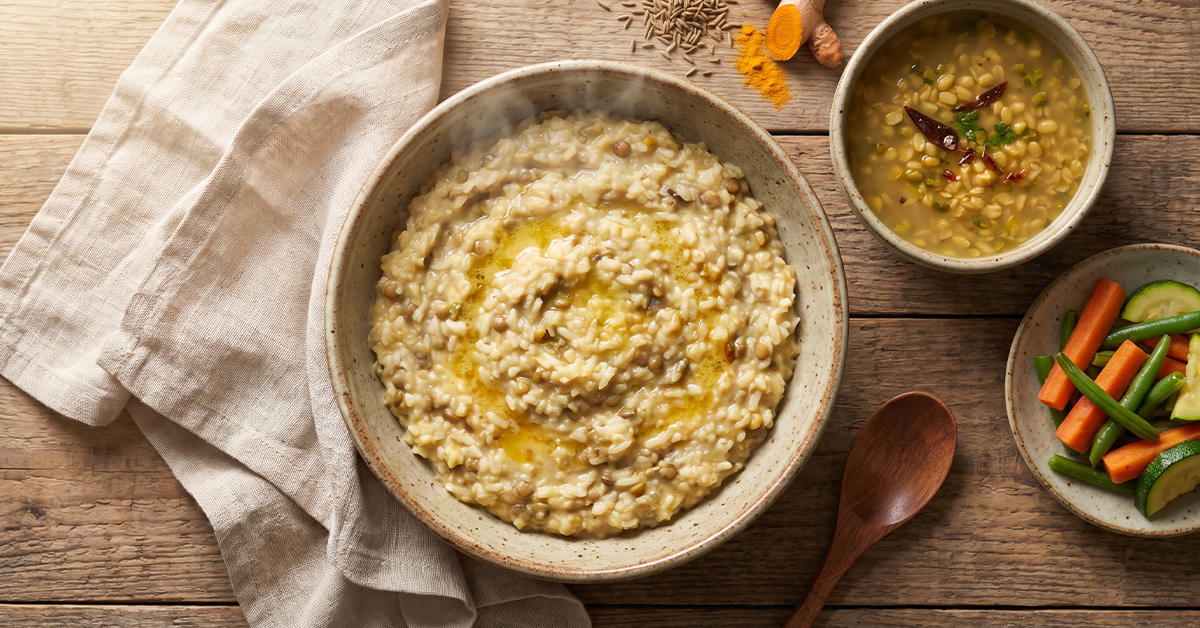
During chemotherapy, digestion often becomes sluggish. Ayurveda has long emphasized eating food that is warm, lightly spiced, and easy on the stomach — think khichdi, moong dal soups, steamed vegetables, and warm herbal teas — rather than heavy, fried, or very cold foods.
This isn't just traditional wisdom; it overlaps with what dietitians at most cancer centers also suggest for patients dealing with nausea or appetite loss: smaller, more frequent meals that are gentle on the digestive system.
Practical tip: Keep a small batch of moong dal khichdi or vegetable soup ready in the fridge for days when cooking feels like too much effort. Warm ginger tea (in moderation, and only if your doctor has no concerns about interactions) is often soothing for mild nausea.
2. Supporting Digestion (Agni)
Ayurveda places enormous importance on Agni, or digestive fire — the idea that how well you digest and absorb food directly affects your overall strength and immunity. During cancer treatment, when appetite is low and nutrient absorption matters more than ever, gentle digestive support becomes especially relevant.
This might look like:
- Sipping warm water through the day instead of cold water
- Eating meals at consistent times, even if portions are small
- Avoiding very heavy, oily, or overly processed foods during active treatment days
3. Rest and Daily Rhythm (Dinacharya)
One of the more underrated aspects of Ayurveda is its emphasis on Dinacharya — a consistent daily routine. For someone going through cancer treatment, energy levels can swing dramatically from day to day, especially around chemo cycles.
Building a gentle, flexible routine — waking and sleeping at roughly the same time, getting some natural light during the day, and allowing for rest without guilt — can help the body and mind feel more stable, even when energy is low. This isn't about rigid discipline; it's about giving the body predictable patterns to lean on during an unpredictable time.
4. Gentle Movement, When the Body Allows
It sounds counterintuitive, but staying lightly active generally helps cancer-related fatigue more than resting completely does — as long as it's paced to what your body can actually handle that day.
A reasonable starting point that comes up often in supportive-care guidance: short walks of around 10 to 20 minutes, three to five times a week, at a pace where you could comfortably hold a conversation. That's it to begin with — not a fitness goal, just movement. If that feels manageable over a couple of weeks, you can gradually extend the walks or add gentle resistance movements like light stretching or restorative yoga poses. If even that feels like too much on a given day, a five-minute walk around the house still counts, and skipping a day when you genuinely need rest is completely fine.
This lines up with the 2024 ASCO–Society of Integrative Oncology guideline update on managing fatigue in cancer survivors, which recommends regular, moderate movement — paced to what the body can handle — as one of the best-supported ways to ease treatment-related fatigue.
Ayurvedic tradition also incorporates gentle movement and breathing practices — like simple pranayama — as part of recovery. As with everything in this section, the pace should flex around how you're actually feeling, and it's worth checking with your care team before starting, especially if you have low blood counts, bone involvement, or any mobility restrictions.
5. Herbs Traditionally Used for General Strength and Immunity
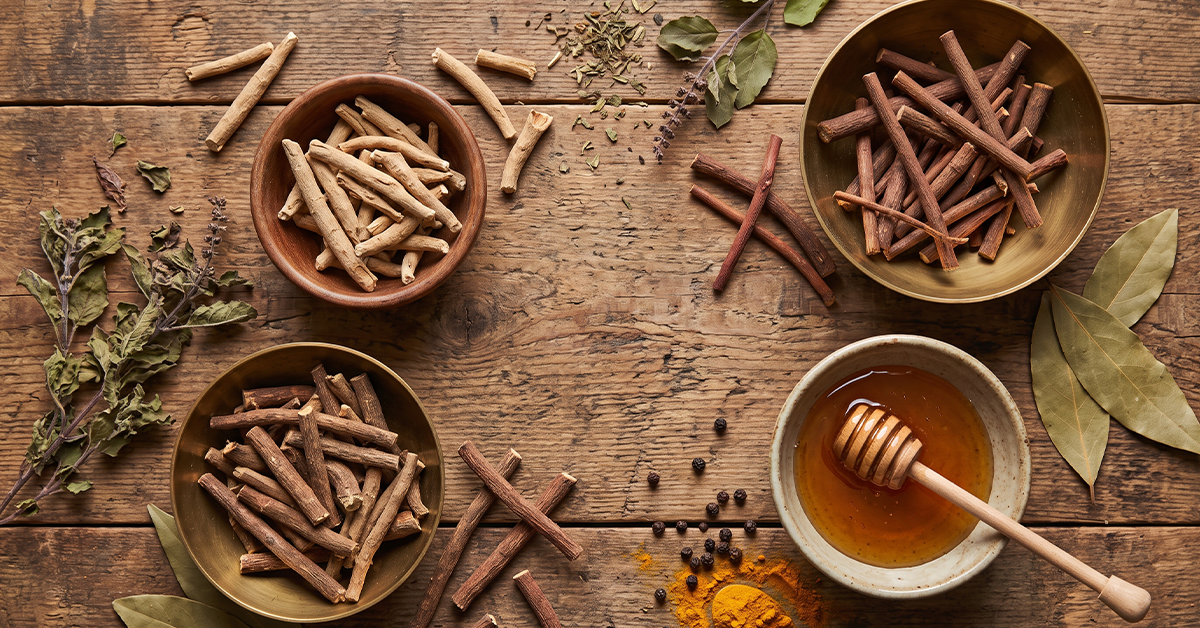
Several herbs used in classical Ayurvedic formulations — such as Bilva (Aegle Marmelos), Manjistha (Rubia cordifolia), and Honey — have a long history of traditional use for supporting general strength, immunity, and recovery from illness. Some of these herbs have also been studied in modern research for their adaptogenic and antioxidant properties.
This is the most important section to read carefully: even though these herbs have a long traditional history, cancer patients should never start any herbal supplement — Ayurvedic or otherwise — without first checking with their oncologist. Some herbs can affect blood clotting, liver enzymes that process chemotherapy drugs, or blood counts, which can interfere with treatment in ways that aren't always obvious. Your oncology team can tell you whether a particular supplement is safe to take alongside your specific treatment protocol or whether it's better to wait until treatment is complete.
Many wellness brands, including ours, offer general Ayurvedic wellness formulations containing herbs like Ashwagandha and Manjistha as part of a broader wellness routine — but these are positioned as general wellness support, not as cancer treatments, and the same rule applies: check with your doctor first, particularly during active treatment.
What Caregivers Can Do to Help
If you're supporting a loved one during cancer treatment, fatigue can be one of the hardest parts to watch from the outside — it's invisible, it fluctuates, and it's easy to underestimate. A few concrete things genuinely help:
- Batch-cook the easy stuff. A ready supply of khichdi or moong dal soup in the fridge means your loved one doesn't have to choose between cooking and eating on a low-energy day.
- Help track the pattern, not just the bad days. A simple note of energy levels through the week can make the conversation with the oncology team far more useful than "I've just been really tired."
- Be the one who asks the follow-up question. It's easy for a patient to mention fatigue in passing and move on. Gently prompting "did you ask the doctor about that?" — especially around anaemia, sleep, or appetite — often gets things addressed sooner.
- Know the warning signs. Sudden or worsening fatigue, breathlessness at rest, dizziness, fever, or an inability to manage basic daily tasks are reasons to call the oncology team promptly, not wait it out.
You don't need to fix the fatigue — just make the small, unglamorous parts of managing it a little lighter.
What You Can Do Today
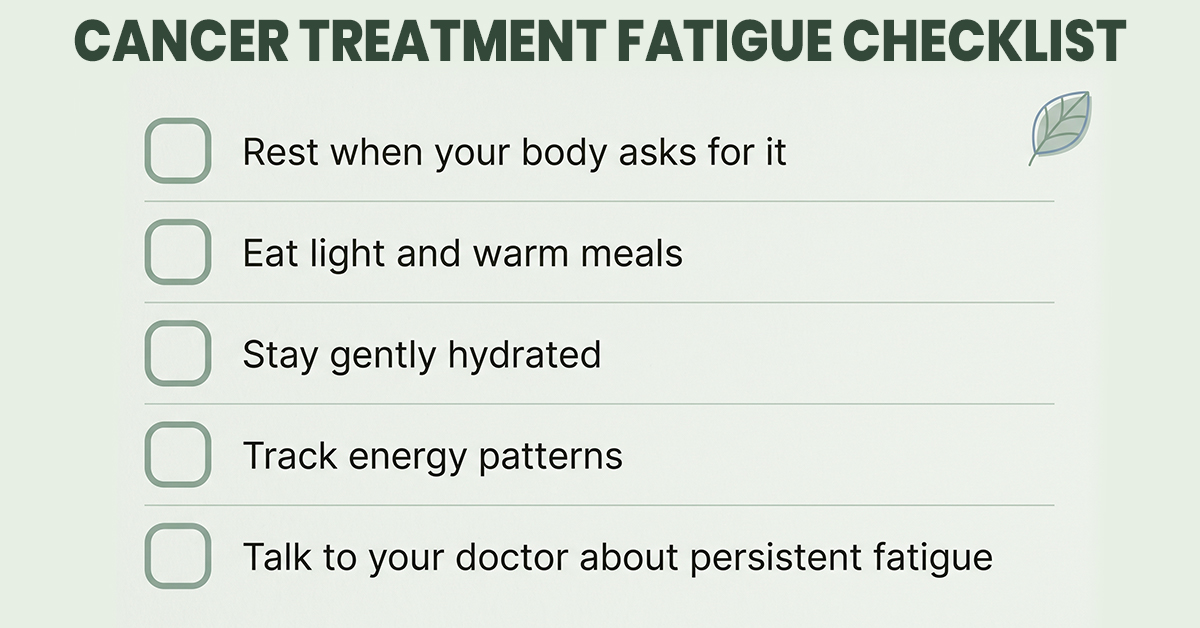
If you're currently going through treatment and looking for small, manageable things to focus on,
here's a simple starting point:
- Talk to your oncology team about fatigue specifically. It's a legitimate medical issue, not something to just "push through." There may be underlying causes (like anaemia or thyroid changes) that can be addressed directly.
- Ask about a referral to a dietitian who works with cancer patients — many cancer centres in India now have dedicated oncology nutrition support.
- Keep meals simple, warm, and small. Don't pressure yourself to eat large meals; frequent small ones are often easier.
- Protect your sleep as much as possible — a consistent wind-down routine in the evening can help, even if sleep itself is disrupted.
- If you're curious about any herbal or Ayurvedic supplement, write down the name and bring it to your next appointment. A two-minute conversation with your oncologist can save you from a potential interaction down the line.
When to Contact Your Oncology Team
Most treatment-related fatigue is something to manage day by day, with the tips above and your care team's guidance. But a few signs mean it's worth calling sooner rather than waiting for your next scheduled appointment:
- Fatigue that comes on suddenly or gets noticeably worse over a short period, rather than gradually
- Feeling breathless or having a racing heartbeat even while resting, not just during activity
- Dizziness, fainting, or confusion
- Fever, chills, or other signs of infection alongside the tiredness
- Unintentional weight loss
- Fatigue severe enough that you can't manage basic daily tasks like eating, bathing, or getting out of bed
None of these automatically mean something is seriously wrong — but they're the kind of symptoms your oncology team will want to know about promptly, since they can point to things like anaemia, infection, or other conditions that are treatable once identified. When in doubt, it's always reasonable to call and ask.
A Note on Recovery After Treatment Ends
For many people, fatigue doesn't disappear the moment treatment ends — it can linger for weeks or months as the body rebuilds. This post-treatment phase is often where general wellness routines, including Ayurvedic dietary and lifestyle practices, become more relevant, since the immediate concern about interactions with active chemotherapy is no longer the same. Even then, it's worth checking in with your doctor about timing, especially if you're on any maintenance medication.
Cancer treatment is hard enough without feeling like you're managing it entirely on your own. Supportive practices — eating in a way that's gentle on your body, building small rhythms into your day, resting without guilt, and staying in close conversation with your care team about how you're really feeling — can make a meaningful difference to quality of life during a genuinely difficult time.
None of this replaces your treatment plan. But alongside it, with your doctor's guidance, these small adjustments can help you feel a little more like yourself, even on the harder days.
FAQ (Frequently Ask Questions)
Is it safe to take Ayurvedic supplements during chemotherapy?
Not all Ayurvedic supplements are safe during chemotherapy, as some herbs can interact with chemotherapy drugs or affect blood counts and liver function. Always consult your oncologist before starting any new supplement during active cancer treatment.
What foods help with fatigue during cancer treatment?
Warm, light, and easy-to-digest foods such as khichdi, moong dal soup, steamed vegetables, and small frequent meals are often easier on the digestive system during chemotherapy and can help maintain energy levels.
Can Ayurveda be used alongside chemotherapy?
General Ayurvedic lifestyle practices—such as dietary adjustments, consistent daily routines, and gentle movement—can often be used alongside chemotherapy as supportive care, but any herbal supplements should first be reviewed by your oncology team to avoid interactions.
How can I boost my immunity during cancer treatment?
Immunity during cancer treatment is best supported under medical supervision, as treatment itself affects blood counts. Gentle nutrition, rest, and stress management can support overall wellbeing, but any supplement aimed at "boosting immunity" should be discussed with your doctor first.
Why do cancer patients feel so tired during treatment?
Cancer-related fatigue is caused by a combination of factors including lower red blood cell counts from chemotherapy, increased energy demands on the body for healing, appetite changes, sleep disruption, and the emotional toll of the diagnosis itself.