Skin Health During Cancer Care: A Complete Awareness Guide to Early Signs, Sun Protection, and Supportive Skincare
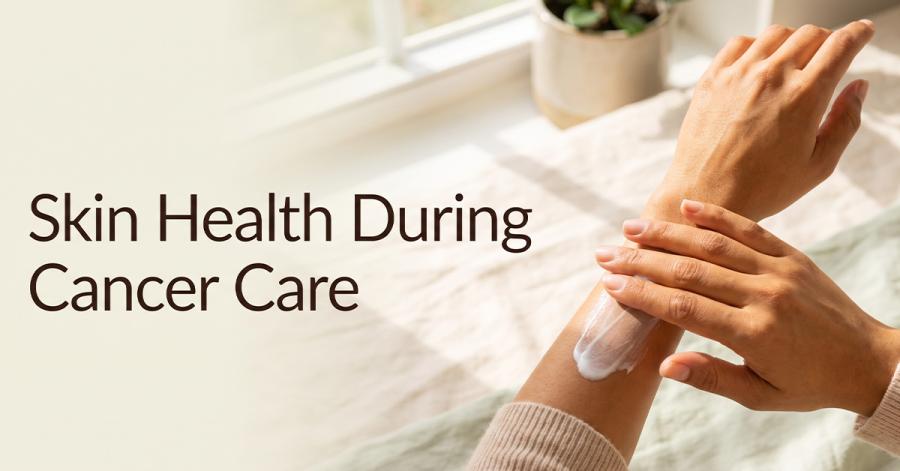
Skin is the body's largest organ, and it is often one of the first places where the effects of cancer treatment — or the earliest warning signs of skin changes — become visible. Yet skin health rarely gets the same attention as more commonly discussed parts of cancer care.
Patients undergoing chemotherapy or radiation frequently notice dryness, sensitivity, rashes, or changes in pigmentation, and many aren't sure which changes are ordinary side effects and which need a doctor's attention. Caregivers, too, often feel unprepared to help manage these changes day to day.
This guide is meant to help both patients and caregivers understand what to watch for, how to protect skin during and after treatment, and where supportive, complementary self-care — including Ayurvedic approaches — may fit alongside a doctor's care plan. It does not replace medical advice, and nothing here should be used to diagnose or treat any condition.
This article has been reviewed by Dr. Farah Zariwala (BHMS), who brings over a decade of clinical experience in integrative Ayurvedic and homeopathic care, to ensure the information here is medically sound and responsibly framed.
1. Why Skin Health Deserves Attention During Cancer Care
Cancer treatments — surgery, chemotherapy, radiation, targeted therapy, and immunotherapy — can each affect the skin differently. Chemotherapy can cause dryness, peeling, or heightened sun sensitivity. Radiation often affects the specific area of skin being treated, sometimes causing redness or irritation similar to a sunburn. Some targeted therapies are well known for causing rash-like reactions.
Skin changes during cancer treatment are common side effects, not a sign that treatment isn't working. They occur because chemotherapy and radiation affect fast-dividing cells, including the ones that keep skin renewed and hydrated. Most changes are manageable with gentle care and typically improve after treatment ends.
Beyond treatment side effects, general skin awareness — recognising when a mole, spot, or patch of skin looks different from before — is a habit worth building for everyone, cancer patients and caregivers alike, since routine self-checks are one of the simplest ways to catch changes early and bring them to a doctor's attention.
2. Building the Habit of Skin Self-Awareness

Learning what "normal" looks like for your own skin makes it easier to notice when something changes. This isn't about self-diagnosis — it's about knowing when a change is worth mentioning to a doctor.
What dermatologists generally suggest watching for
- A mole or spot that changes in size, shape, or color over weeks or months
- A sore that doesn't heal within a few weeks
- A patch of skin that becomes persistently itchy, tender, or bleeds without an obvious cause
- Asymmetry, irregular borders, or multiple colors within a single spot
Skin self-checks involve looking over your entire body every few months, ideally with a mirror or a second person's help, and comparing what you see to how your skin looked before. The goal is to notice change, not to diagnose it. Any change that seems unusual or persists should be shown to a doctor promptly.
Why this matters more during and after cancer treatment
Patients who have already been through cancer treatment are often advised by their oncology team to be extra attentive to any new or unusual skin changes, simply because skin is one of the more visible, checkable parts of the body. If you notice anything of concern, the right next step is always the same: talk to your oncologist or a dermatologist, not a search engine.
3. Sun Protection: A Simple, Evidence-Backed Habit

Of all the skin-health habits within a person's control, sun protection is one of the most consistently recommended by dermatologists and oncologists.
Sun protection means limiting skin's exposure to ultraviolet (UV) radiation through shade, protective clothing, and broad-spectrum sunscreen. It works by reducing UV-related skin damage that builds up over repeated exposure. It's recommended for everyone, and especially for patients whose skin has become more sun-sensitive due to certain cancer treatments.
Practical basics
- Seek shade during peak UV hours, roughly late morning to mid-afternoon.
- Cover up with lightweight, long-sleeved clothing and a wide-brimmed hat when outdoors for extended periods.
- Use broad-spectrum sunscreen (SPF 30 or higher) on exposed skin, reapplying every couple of hours if outdoors.
- Check medication labels — some chemotherapy drugs and other medications increase photosensitivity, so ask your care team whether extra precautions apply to you.
According to the World Health Organization, unprotected exposure to UV radiation is a well-established, modifiable risk factor connected to skin damage over time, which is part of why sun protection is consistently included in general public health guidance [WHO, ongoing guidance].
4. Managing Common Skin Side Effects of Chemotherapy and Radiation
Dryness and sensitivity
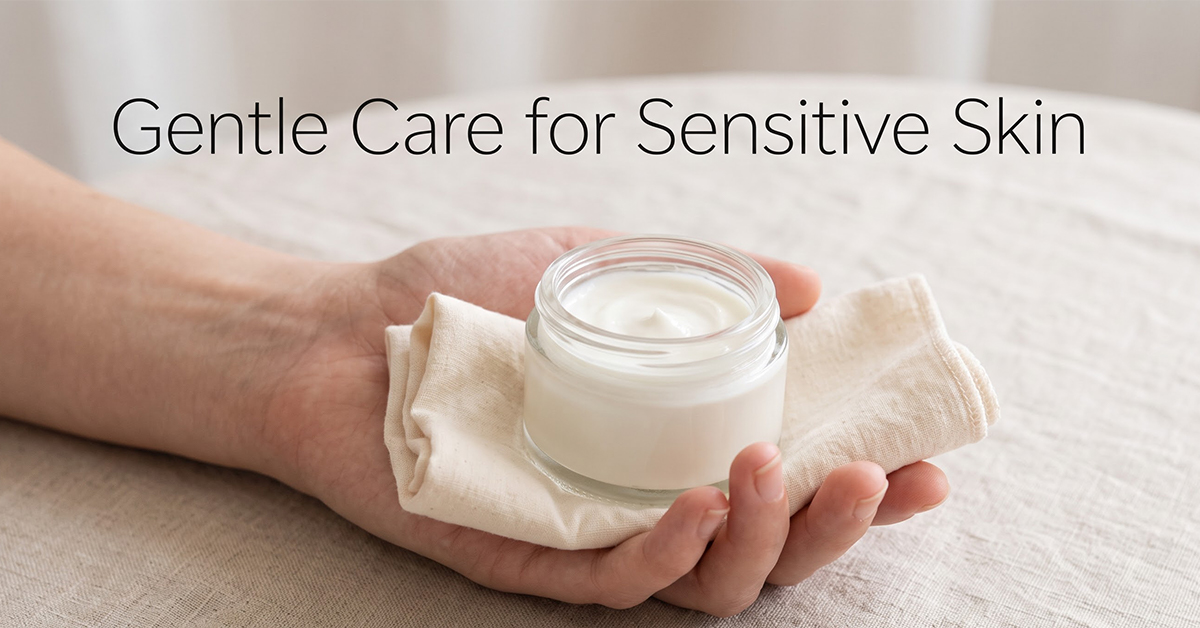
Chemotherapy can reduce the skin's natural oil production, leaving it dry, flaky, or tight. Gentle, fragrance-free moisturisers applied soon after bathing tend to help retain moisture. Hot showers and harsh soaps often make dryness worse and are usually best avoided during treatment.
Chemotherapy-related skin dryness happens because treatment affects the rapidly dividing cells that normally keep skin's outer layer renewed and moisturised. It's typically managed with fragrance-free moisturisers, lukewarm (not hot) water, and mild, soap-free cleansers. Most dryness improves once treatment ends.
Radiation-related skin changes
Skin in the treated area may become red, tender, or itchy — often described as similar to a sunburn. Oncology teams typically provide specific aftercare instructions for the treated area, including which products are safe to use and which to avoid (such as products containing metals, like certain deodorants, right before a session).
Rash-like reactions from targeted therapies
Certain newer cancer therapies are associated with acne-like rashes, particularly on the face, scalp, and upper body. These reactions are a known and studied side effect category, and oncology teams often have specific management protocols for them — another reason to loop in your treating doctor rather than self-treating.
A general rule of thumb
Whatever the specific side effect, the safest approach during active treatment is: gentle, fragrance-free products; avoid new or untested skincare products without checking with your care team; and report anything that's painful, spreading, or unusual rather than waiting it out.
5. Where Complementary Ayurvedic Support Can Fit — And Where It Can't
Many cancer patients and caregivers look for ways to support the body's overall resilience during a demanding treatment journey — better appetite, energy, and day-to-day wellbeing alongside their prescribed medical treatment. This is where complementary, supportive-care approaches, including Ayurveda, are sometimes considered.
It's important to be precise about what "complementary" means here: it refers to supportive care used alongside conventional oncology treatment, under a doctor's awareness — never as a replacement for surgery, chemotherapy, radiation, or any prescribed treatment, and never as a treatment for skin cancer or any cancer type itself.
About Body Revival
Body Revival, from Health Reactive India, is an Ayurvedic liquid formulation positioned specifically as supportive care for patients undergoing conventional cancer treatment — intended to be used alongside, not instead of, medical treatment.
A specific, disclosed evidence point: Health Reactive India completed a CTRI-registered clinical study (CTRI/2023/11/059465), a 12-week open-label study involving 44 post-surgical breast cancer patients, conducted at J.B. Roy State Ayurvedic Medical College & Hospital, Kolkata. This trial is registered but has not yet been peer-reviewed, and its findings are specific to the post-surgical breast cancer patient population studied. It does not constitute evidence for skin cancer or any cancer type outside its studied scope, and no claim to that effect is made here.
Complementary Ayurvedic care refers to supportive formulations used alongside — never in place of — conventional cancer treatment. It's intended to support general well-being during a demanding treatment period. It should always be discussed with your treating oncologist before use, particularly to check for interactions with prescribed medication.
What this means for skin health specifically
At present, there is no clinical evidence — from Health Reactive India or otherwise referenced here — specific to skin cancer outcomes. If skin health or skin cancer risk is your specific concern, the right first step is a dermatologist or oncologist consultation, not a supportive-care product.
6. Caregiver Tips: Supporting Someone Through Skin Changes

Caregivers often notice skin changes before the patient does, simply from spending close, daily time together. A few ways to help:
- Keep a simple log of new skin changes (date, location, description) to share at the next appointment — small changes are easy to forget between visits.
- Stock gentle, fragrance-free skincare products in advance so they're on hand when needed.
- Gently encourage sun-protection habits — a hat by the door, sunscreen on the bathroom counter — rather than repeated reminders, which can feel like nagging during an already stressful time.
- Approach any new or unusual skin change calmly, and frame it as "Let's mention this at the next appointment" rather than alarm.
7. When to See a Doctor Right Away
Some skin changes warrant a call to the care team rather than waiting for the next scheduled appointment:
- A rash that spreads quickly or is accompanied by fever
- Any wound that isn't healing, or shows signs of infection (increasing redness, warmth, pus, worsening pain)
- A mole or spot with rapidly changing size, shape, colour, or bleeding
- Severe pain, blistering, or skin breakdown in a radiation-treated area
When in doubt, it's always appropriate to call the oncology team's helpline or visit a doctor — skin changes during cancer care are common enough that care teams expect and welcome these questions.
Frequently Asked Questions
Mild dryness, sensitivity, or peeling is a common and expected side effect for many chemotherapy regimens. It's worth mentioning to your care team, but on its own it isn't usually a sign of a serious problem. Anything severe, spreading, or accompanied by fever should be reported promptly.
No. No Ayurvedic product, including Body Revival, is positioned or should be understood as a treatment or cure for skin cancer or any cancer type. Suspected skin cancer requires prompt evaluation by a qualified doctor or dermatologist.
Many dermatologists suggest a full-body self-check every one to three months, though your doctor may recommend a different frequency based on your personal and family history. The goal is simply to notice changes early, not to self-diagnose.
The CTRI-registered trial (CTRI/2023/11/059465) was conducted specifically in post-surgical breast cancer patients over 12 weeks. It does not cover skin cancer, and its results shouldn't be extended to other cancer types.
Consistent, broad-spectrum sunscreen use (SPF 30+) on exposed skin, reapplied every couple of hours outdoors, is one of the most consistently recommended habits by dermatologists—simple, low-cost, and effective when done regularly.
Skin health deserves the same attentiveness during a cancer journey as any other part of care — not because every change is cause for alarm, but because early awareness makes a real difference. Building simple habits — sun protection, gentle skincare, regular self-checks, and open communication with your care team — helps both patients and caregivers feel more in control. Where complementary, supportive-care options are considered, they should always sit alongside a doctor's guidance, be honestly scoped to the evidence available, and never be mistaken for treatment.
Learn more about supportive care during cancer treatment: Explore Body Revival's approach to complementary care
About the Reviewer
Dr. Farah Zariwala (BHMS) is a homeopathic physician with over 10 years of clinical experience in integrative and complementary care. She serves as medical reviewer for Health Reactive India's patient education content, ensuring accuracy and responsible, compliant framing.
Written by: Dr. Hemant Kadam (BAMS), Health Reactive India.